
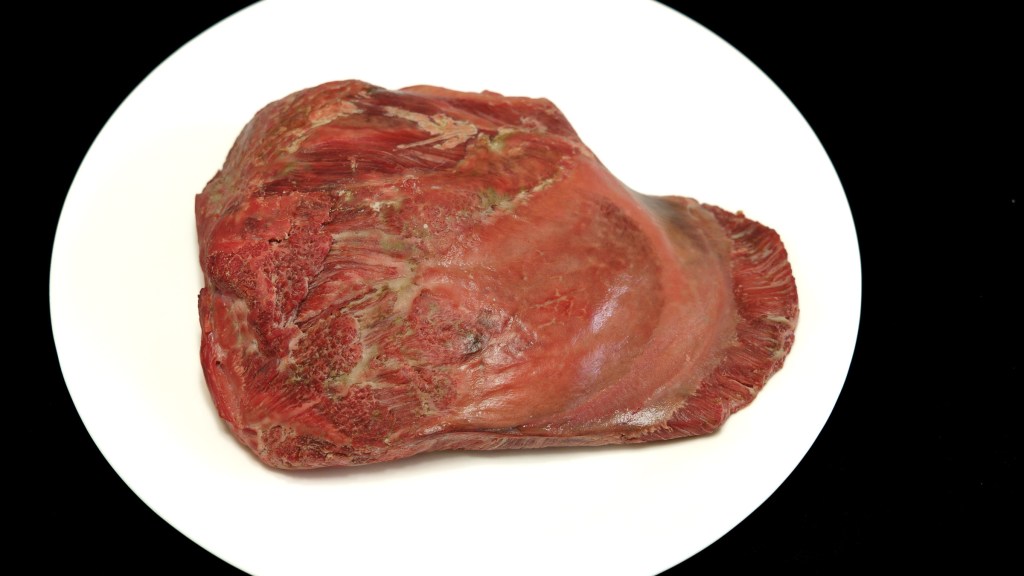
I think the ribs I bought from my butcher were beef back ribs. I can’t remember the description on the label.

There are different types of beef rib cuts.
Description of Different Beef Rib Cuts
Beef ribs are divided into several cuts, each with unique characteristics and names in different countries:
- Short Ribs: These are cut from the lower section of the rib cage and are known for their rich, beefy flavour and tenderness when cooked properly. In the UK, they are often called “Jacob’s Ladder,” while in the Republic of Korea, they are known as “Galbi.”
- Back Ribs: These come from the upper part of the rib cage, near the spine. They are less meaty than short ribs but are still flavourful. In the US, they are often referred to as “Dinosaur Ribs” due to their large size.
- Plate Short Ribs: These are cut from the lower portion of the rib cage and are known for their large size and substantial meat content. They are popular in Texas BBQ and are sometimes called “Texas Ribs.”
- Chuck Short Ribs: These are cut from the shoulder area and are tougher than other rib cuts, making them suitable for slow cooking methods. In Italy, they are known as “Costine di Manzo.”
- English Cut: This cut separates the ribs into individual pieces with a thick layer of meat on top. It is popular in the UK and is often used for braising.
Cooking and Eating Characteristics
Beef ribs are known for their “beefy” flavour and juicy, succulent meat when cooked properly. They have a higher fat content compared to other cuts, which contributes to their rich taste. The connective tissue in beef ribs requires slow cooking (or a pressure cooker) to break down, resulting in tender meat.
Cooking Techniques
To optimise the texture and flavour of beef ribs, the following cooking techniques are often described:
- Smoking: Cooking beef ribs low and slow in a smoker allows the fat to render and the connective tissue to break down, resulting in tender, flavourful meat. I’ve never smoked meat.
- Braising: This method involves cooking the ribs in a liquid at a low temperature for an extended period. It is ideal for tougher cuts like chuck short ribs. If I have time, I like using a slow cooker. If I’m short on time, I’ll use a pressure cooker.
- Grilling: For back ribs, grilling over indirect heat can produce a char while keeping the meat tender and juicy. I’m not expert enough with a barbecue grill to do this.
- Oven Baking: Baking beef ribs in the oven at a low temperature and then finishing them on the grill can yield tender, flavourful ribs with a nice crust. I’ve done this before. The only problem is the mess in the oven.
Nutrient Values of Beef Rib Meat
Here is a list of the nutrient values of beef rib meat per 100 grams:
- Calories: 291 kcal
- Total Fat: 24 g
- Saturated Fat: 10 g
- Monounsaturated Fat: 11 g
- Polyunsaturated Fat: 1 g
- Protein: 19 g
- Carbohydrates: 0 g
- Cholesterol: 90 mg
- Sodium: 84 mg
- Potassium: 290 mg
- Iron: 2.3 mg
- Zinc: 5.8 mg
- Vitamin B12: 2.3 μg
- Vitamin B6: 0.37 mg
- Phosphorus: 172 mg
- Magnesium: 20 mg
- Calcium: 10 mg
- Selenium: 21 μg
Ingredients
- Beef ribs — I think I bought back ribs.
- Salt
- Water
Equipment
- Pressure cooker
Instructions
- Visit the butcher early in the morning before other customers are there. I often arrive at 6:30 on a Saturday.
- Select the week’s meat. This usually means steaks and lamb chops plus something for the slow cooker or pressure cooker.
- Get home and process the meat for a week.
- Unwrap the beef ribs from the plastic wrapping.
- Place the beef ribs into the pressure cooker.
- Add a cup of tap water.
- Add a couple of tablespoons of salt.
- Cook under pressure for one hour.
- Open the lid and, with cooking forceps, remove the rib bones and place them into a bowl for disposal once they’ve cooled down.
- Remove the meat from the pressure cooker and place it into a container.
- Seal the container and refrigerate.
- Decant the cooking liquor into a bowl and refrigerate. The next day, the hardened fat can be lifted off and kept aside as beef fat for cooking. The remaining broth will be gelatinous and perfect for reheating the beef rib meat.
Leftover beef rib meat with eggs and cream
Ingredients
- Leftover beef rib meat
- Beef broth jelly.
- Cream — Pure pouring cream with no thickeners or additives.
- Eggs
- Butter
Equipment
- Frypan
- Wooden spoon
Instructions
- Take a portion of the meat out of the refrigerator and cut it into small chunks.
- Put the meat into a cold frypan.
- Add some of the beef broth jelly to the frypan and turn on the heat.
- Bring the broth to a slow boil and simmer.
- While the broth is simmering, use a wooden spoon to gently press down on the meat so the fibres separate.
- Simmer until the water evaporates.
- Turn the heat off and stir through some cream.
- Transfer the meat to a dinner plate.
- Wipe out the frypan and add a good wodge of salted butter.
- Turn on the heat, and after the butter ceases sizzling, add an egg and gently fry it.
- Transfer the egg and butter to the dinner plate.
Thoughts on the meal
The meat was tender and tasty. It was satisfying.
I know this is a simple meal. Beef, salt, and water are the core. Some butter, cream, and eggs add to the flavours. It’s more than enough for me.
Photographs



Ask a question or make a comment